



 12:55 2026-04-29
We have entered an era where the phrase "don't believe your eyes" takes on new meaning. AI-generated doubles are no longer just amusing filters; they have become fully-fledged participants in the economy, art, and even personal relationships. Digital avatars are filling the voids and niches that once could only be occupied by living individuals, from Hollywood blockbusters to intimate conversations with those who are no longer present. This is a story about how humanity is learning to delegate its appearance, voice, and charisma to computer code. Are we willing to pay the price?
 546
546 9
9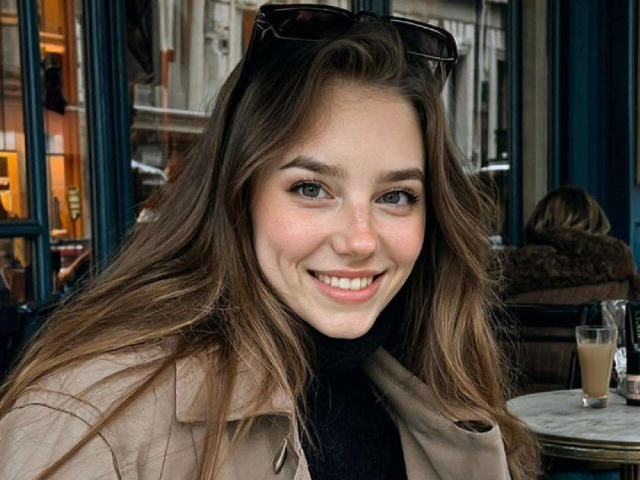
Khaby Lame: historic deal for charismatic TikToker
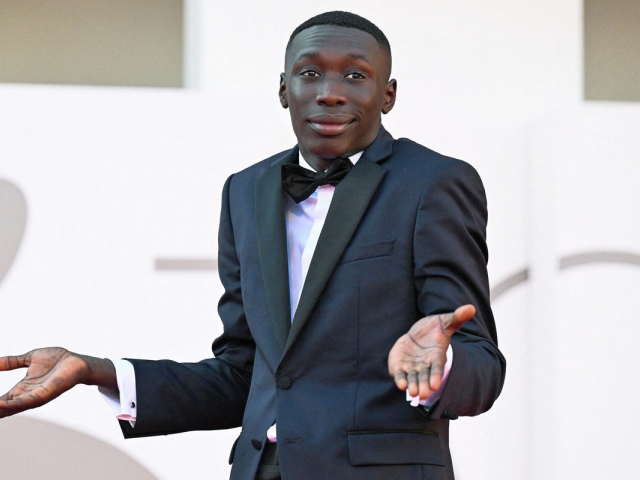
The world’s most popular TikToker, Khaby Lame, has made history by selling the rights to create his AI double to Rich Sparkle. Now, Khaby can star in hundreds of commercials simultaneously without leaving his home. His avatar perfectly replicates his signature expressions and gestures, generating passive income on a scale unattainable by any living artist in the past. This represents a new earning model—renting out fame. Khaby has become a pioneer in "personality licensing," transforming his likeness into a marketable digital asset.
Tilly Norwood: Hollywood’s first digital prima
The debut of AI actress Tilly Norwood in a big-budget drama has sent shockwaves through acting unions. Tilly is not merely computer-generated imagery; she is a sophisticated ensemble of neural networks trained on the expressions of thousands of classic actors. She does not demand fees in the tens of millions, is never late for shoots, and can cry "on cue" with pinpoint accuracy. Producers are thrilled: creating a character from scratch allows for complete control over the portrayal. Tilly has demonstrated that digital charisma can be just as captivating as human charm, opening doors to filmmaking without human actors.
Pose-to-image technology: numerous copies made easy
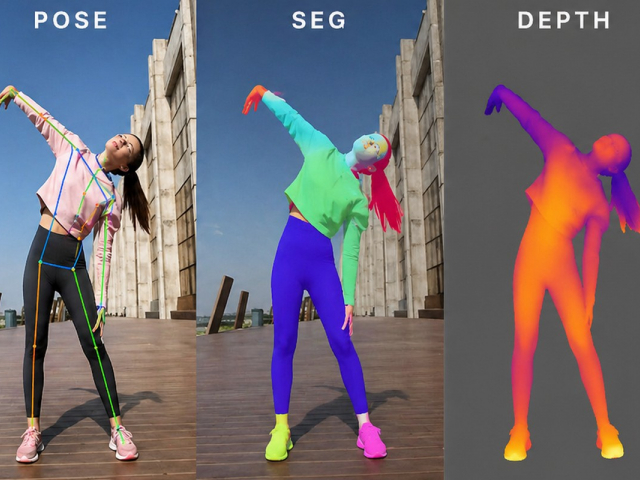
Modern AI models have achieved remarkable proficiency in "copying" movements. With tools like ControlNet and LivePortrait, an ordinary model in a budget studio can instantly transform into any character or supermodel on screen. The algorithm captures every movement, creating a flawless, lifelike digital replica. This capability allows brands to save millions on locations and makeup. Now, to create the perfect video sequence, all you need is one operator and a "puppet actor," whose movements serve as the foundation for any designer's vision.
Digital shadows: AI disrupting job market
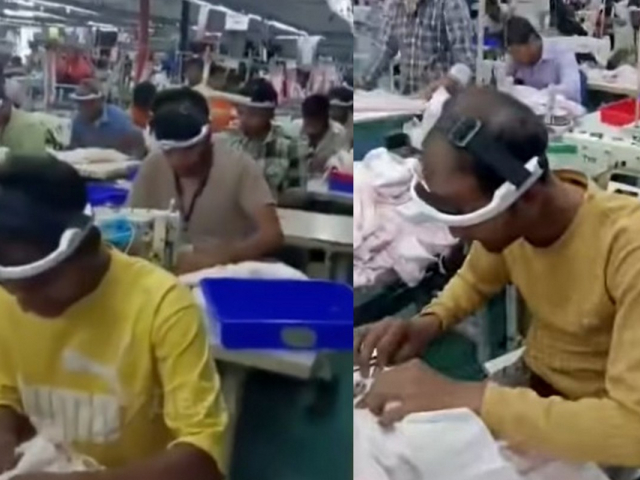
The process of training neural networks has evolved from text analysis to the replication of physical skills. Today, seamstresses in factories use specialized wearable devices that record every micro-movement of their hands, needles, and fabric. Similarly, office employees train their "replacements" simply by working at their computers: AI captures every interaction with the mouse and keyboard, absorbing the logic of workflow processes. Unwittingly, individuals create digital replacements of themselves. The problem is that when the training is complete, the need for the original—the living employee with their "slow" human physiology—may vanish entirely.
AI influencers: perfect brand ambassadors
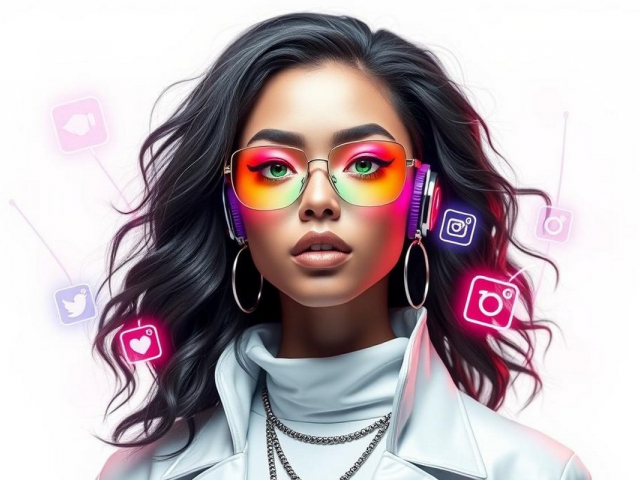
Fully virtual influencers, such as Lil Miquela 2.0 and new avatars from Meta, are replacing temperamental bloggers. They maintain blogs, travel (virtually), and comment on pressing issues, attracting millions of followers. Brands prefer to work with these "virtuals" because they are 100% predictable and can adapt their appearance to fit specific collections. In 2026, the line between reality and social media has blurred: users often do not know or care whether their favorite celebrity is actually eating breakfast or if it was generated in an instant on a powerful server.
AI assistants: at work, home, and doctor's office
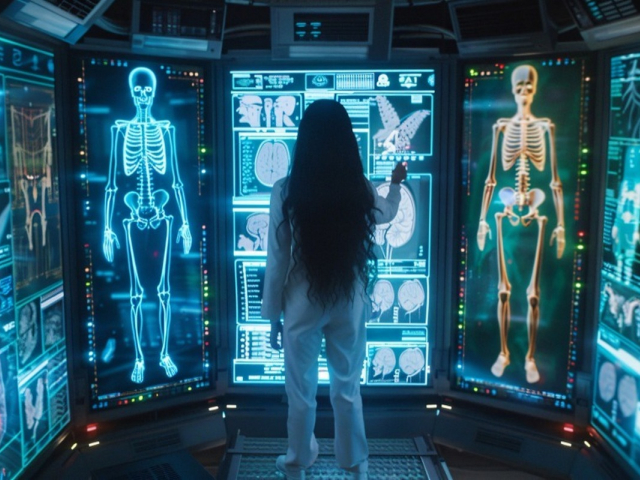
The corporate world is implementing AI avatars to boost productivity. You can send your digital twin to a Zoom meeting, while you tackle other tasks or simply take a break. An avatar, trained on your voice and communication style, can respond to standard inquiries, record assignments, and even crack jokes in your style. Medical avatars are also gaining traction, providing a platform to test potential treatments. However, this raises the risk of an extreme scenario where only AI employees are present in a Zoom meeting, while there are only AI doctors around a sick patient.
Digital resurrection: immortality in the cloud
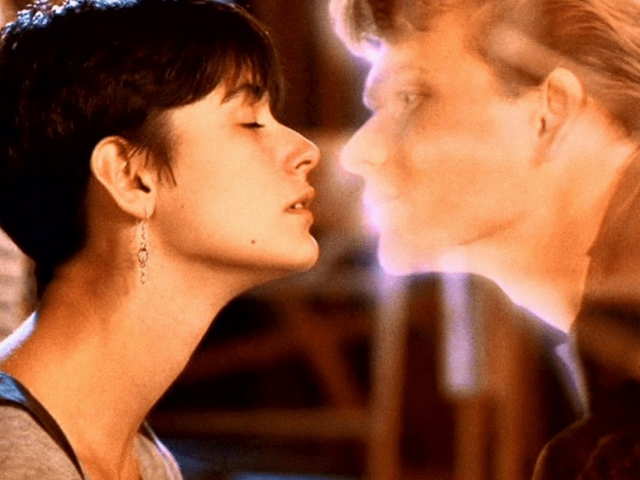
One of the most ethically complex areas is the creation of AI avatars of deceased individuals for their loved ones. Specialized services analyze texts, voice messages, and archival videos to create an interactive copy of a person. Relatives can communicate with this "digital ghost" via video calls, experiencing an illusion of presence. For some, this serves as a way to cope with grief. For others, it is a disturbing violation of the dead's peace. Do we have the right to keep a person's image in the world of the living, turning their memory into an interactive chatbot?
Deepfakes and crisis of trust
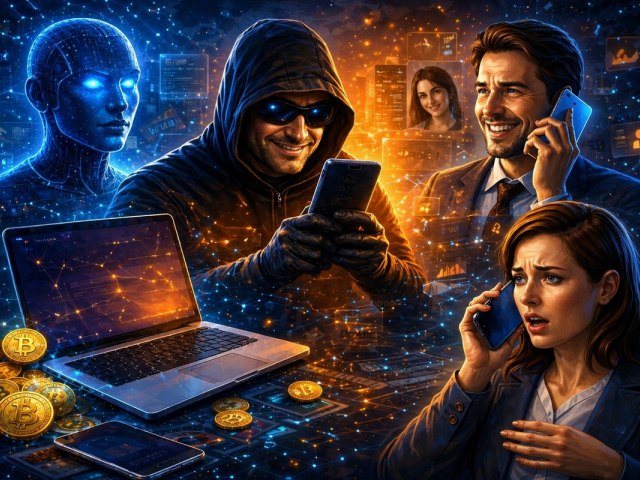
The flip side of AI avatars is the rise of hyper-realistic fraud. A video call from a “boss” or “relative” requesting an urgent money transfer has become a classic scam. Hackers create real-time AI duplicates, perfectly mimicking the victim’s voice and appearance. This has led to the development of "biometric verification of reality" systems that search for microscopic artifacts in generated images. We are learning to live in a state of constant doubt, where every face on the screen must pass an authenticity check before we believe their words.
Future: personalized content
We are moving toward a future where movies and games adapt in real time to the viewer. Imagine a film where you play the leading role (through your AI avatar), and the dialogues adjust to fit your character. AI actor technology enables the creation of countless versions of the same storyline. This represents the ultimate victory of personalization: the entertainment industry is transforming from “one spectacle for all” into “an individual world for each,” where the boundaries between viewer, actor, and character completely vanish.


-
Grand Choice
Contest by
InstaForexInstaForex always strives to help you
fulfill your biggest dreams.JOIN CONTEST -
Chancy DepositDeposit your account with $3,000 and get $1000 more!
In August we raffle $1000 within the Chancy Deposit campaign!
Get a chance to win by depositing $3,000 to a trading account. Having fulfilled this condition, you become a campaign participant.JOIN CONTEST -
Trade Wise, Win DeviceTop up your account with at least $500, sign up for the contest, and get a chance to win mobile devices.JOIN CONTEST


